


*NSYNC“’s” Joey Fatone Puts Decades-Old Feud with Backstreet Boys to Rest: ‘It Was Never Anything Personal’
*NSYNC“’s” Joey Fatone Puts Decades-Old Feud with Backstreet Boys to Rest: ‘It Was Never Anything Personal’

Tereza Shkurtaj, Angela AndaloroSat, October 24, 2026 at 11:00 AM UTC
0

*NSYNC; Backstreet Boys.Credit: Tim Roney/Getty; Fryderyk Gabowicz/picture alliance via Getty -
At ‘90s Con in Hartford, Conn., Joey Fatone said the rivalry between *NSYNC and the Backstreet Boys was actually fueled by their shared manager rather than personal animosity
During the event, the 49-year-old said he believes the groups were kept apart to prevent them from questioning their management
Fatone’s comments shed light on how the supposed feud was manufactured during the height of the boy-band era
For years, the rivalry between *NSYNC and the Backstreet Boys was a defining storyline of the late ‘90s boy band boom, but according to Joey Fatone, the competition between the two groups was never the personal feud it was often made out to be.
During a panel at ‘90s Con in Hartford, Conn., Fatone reflected on how the bands’ shared management fueled the rivalry while keeping the groups apart. Looking back, he suggested that what fans saw as a battle between pop superpowers actually only benefited the people working behind the scenes.
“It was never anything personal like that at all,” Fatone, 49, said during the event.
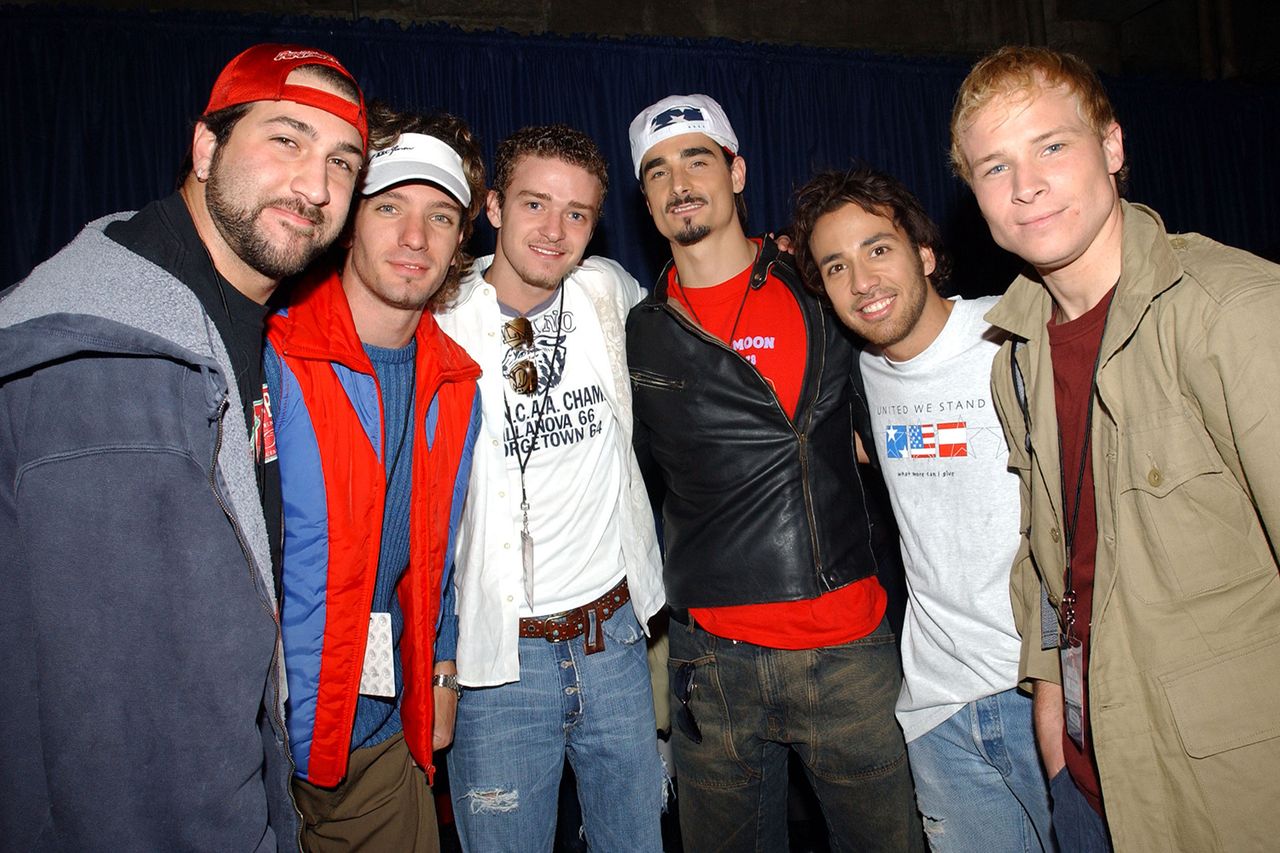
*NSYNC and Backstreet BoysCredit: KMazur/WireImage
Fatone explained that both *NSYNC and the Backstreet Boys were managed by Lou Pearlman, who he said used their similarities and differences to encourage competition.
“He’d literally go over to us and be like, ‘Yo, Backstreet — I know this since I’m the manager — they’re doing this and this and this. Maybe you guys should do that, but do it this way or do it differently,’” Fatone said, noting that Pearlman’s strategies often prompted them to try new approaches in order to keep up with their counterparts.
“He wasn’t wrong, though, because then it was actually a friendly competition that became a battle,” Fatone added. “But guess what? It was both going into their pockets. It was still going into the same person. And none of us knew that. The fans didn’t really know anything about it.”
Although both groups shared a similar pop sound and worked with some of the same producers, Fatone said their musical identities eventually diverged. He pointed to the Backstreet Boys’ success with “monster ballad hits” and *NSYNC’s strength with “monster uptempo hits” as differences that helped distinguish the acts.
Still, Fatone emphasized that he thought the separation between the two groups was deliberate. During the panel, he said conversations between members were limited, and that comparing notes eventually raised questions about their management arrangements.
Advertisement
“I think that’s the reason why they kept us apart because they didn’t want us to talk because things were not adding up 100%,” he said.

AJ McLean of Backstreet Boys, Joey Fatone of *NSYNC, Nick Carter of Backstreet Boys, and Lance Bass of *NSYNC in 2021.Credit: Kevin Winter/Getty
Fatone’s recollections echo comments made by members of both groups in a June 2021 PEOPLE interview, when *NSYNC’s Lance Bass and Fatone joined Backstreet Boys’ Nick Carter and AJ McLean for the charitable event Bingo Under the Stars in Los Angeles.
The gathering brought members of the two hugely successful groups together for an evening of games and nostalgia, offering a chance to put their supposed rivalry into perspective.
When discussing the history of the feud, McLean said the media also helped “pit us against each other” before social media even existed — with Carter acknowledging that the competition soon took on a life of its own, despite its manufactured beginnings.
“It was fabricated, but it was something that became real at a certain time,” Carter explained. “I mean, when you’re that young and competitive as a teenager … it was, I like to say, healthy competition. But it started from the managers and all of that.”
Having navigated similar pressures and parallel careers during the height of the boy-band era, the groups have since found common ground beyond the competition that once defined their public image.
“What’s happening now is that we are realizing that we’re the only ones that have gone through what we have together, and we relate to one another,” Carter added.
on People
Source: “AOL Entertainment”
